Category Archives: Figurative

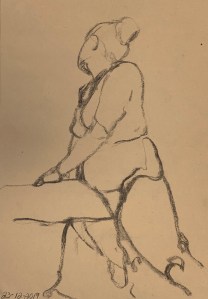
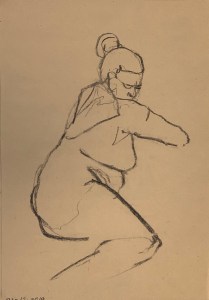
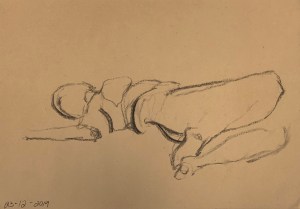
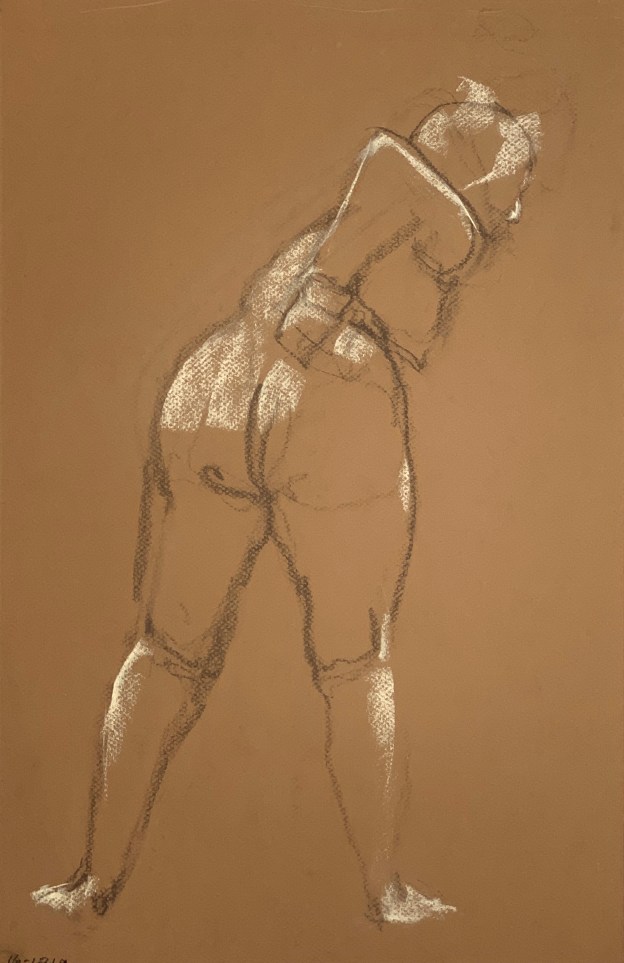
I strive to render the human figure, our abode of living, tingling consciousness, as succinctly and eloquently as possible. When it’s successful, it’s a communication from my embodied consciousness to yours.

A piece of me #27. the mixed technique on panel, 21 x 13.3 cm or 8 1/4 x 5 1/4 in.

A Piece of Me #27, the mixed technique

A piece of me #27, the egg tempera underpainting.
A piece of me #27, the egg tempera underpainting.

A piece of me #27. the mixed technique on panel, 21 x 13.3 cm or 8 1/4 x 5 1/4 in.

A piece of me #27. the mixed technique on panel, 21 x 13.3 cm or 8 1/4 x 5 1/4 in.

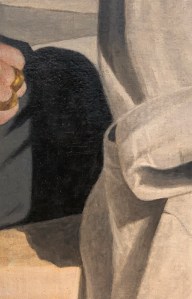
This panel represented a few challenges mostly due to the very dark shadow of the man’s gray/black pants leg. It’s a strong element, front-and-center, commanding attention. So I wanted to represent it accurately, but also I wanted to depict enough other dark accents surrounding it to encourage the circulation of light (or lack thereof). The ring and the shadow of my linen coat work rather well for that. But is it enough? The shadow is strong and also uniform. So I still may try to introduce some scumbled detail into those deepest leg-shadows after this level dries.

However, that is or will be complicated by another, technical complication. After I had started laying in some very dark gray pigment into the medium/glaze (in the pants leg), I found that the paint dried almost immediately (!) – too quickly to manipulate. In painter’s parlance this is called “sinking in”. This happens when the ground is too absorbent. In this case, I think the absorbency was caused by the combination of the linen fabric that I had glued onto the HDF panel as part of my substrate preparation as well as the siccative nature of the particular pigment (Payne’s Gray) that I had used in that area. “Sinking in” is remedied by a localized treatment of retouch varnish, which I applied before reworking that area yesterday. Though improved, when this area thoroughly dries I still may try to supply more balancing nuance (the scumble mentioned above). However, I am not dissatisfied with the result. I think the treatment of the linen jacket, the tile work upper left, the plaster wall lower left as well as the ringed fingers are delicious. So these are the comments of the-always-critical-chef.

BTW: sorry for the glare – that’s only in the photograph – not the image.

Full description of the whole project here. Write up on the mixed technique here.

A piece of me, #52, the mixed technique over collage on panel, 21 x 13.3 cm or 8 1/4 x 5 1/4 in.

A Piece of Me #52, the mixed technique

A piece of me #52, egg tempera over collage

A piece of me #52, egg tempera over collage

A piece of me, #52, the mixed technique over collage on panel, 21 x 13.3 cm or 8 1/4 x 5 1/4 in.

A piece of me, #52, the mixed technique over collage on panel, 21 x 13.3 cm or 8 1/4 x 5 1/4 in.

One of the most interesting aspects of this particular collaged panel was my pants cuff. It projects a few millimeters from the rest of the composition (!). Really. During the oil level, I found that balancing the warm whites of my pants, socks and the plastered wall with my skin tone was all made possible by the value adjustments inherent to the composition (and the judicious use of a warm-gray pigment from the tube). BTW: I prefer my grays warm and I don’t mix them on the palette. It’s too difficult to consistently achieve an elusive neutrality (which may not exist anyway). Full description of the whole project here. Write up on the mixed technique here.

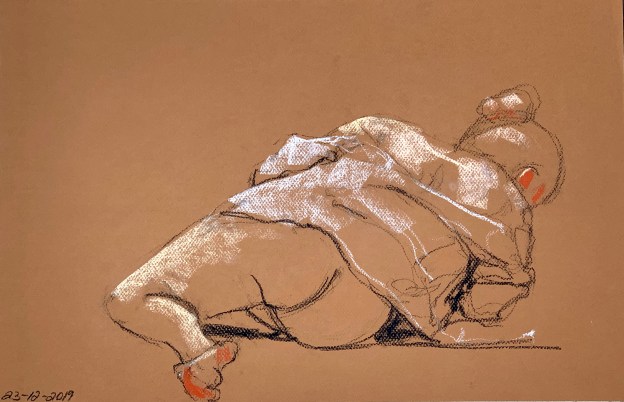
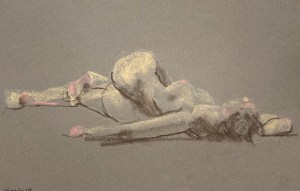
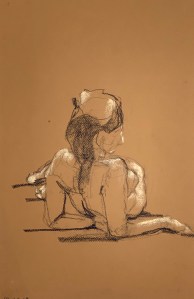
Figure Drawing, December 23, 2019

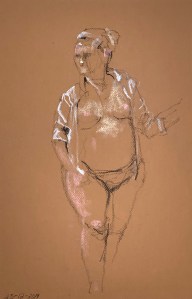
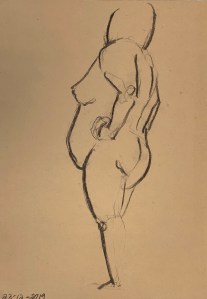
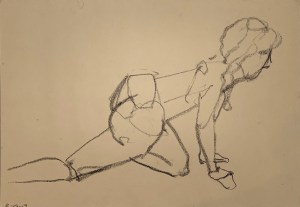
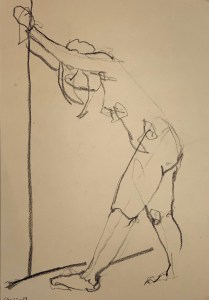
The model tonight was a lady named Angie. I scrawled her name across one of my drawings so I would not forget it. She is a large, jolly lady who I enjoy drawing. She takes good poses and seems to know intuitively what would be interesting for those of us on the other side. Below, two pastels on tinted Canson pastel paper and five charcoals on tinted sketching paper.

These drawings are posted much later than usual. They were done just before we departed Bruges for a three month trip – which became five due to the travel restrictions of the covid virus.


Conté crayon on tinted Canson paper, 32.5 x 50 cm or 13 x 19.75 in.

Conté crayon on tinted Canson paper, 32.5 x 50 cm or 13 x 19.75 in.

Charcoal on tinted sketching paper, 35 x 50 cm or 13.75 x 19.75 in.

Charcoal on tinted sketching paper, 35 x 50 cm or 13.75 x 19.75 in.

Charcoal on tinted sketching paper, 35 x 50 cm or 13.75 x 19.75 in.

Charcoal on tinted sketching paper, 35 x 50 cm or 13.75 x 19.75 in.


Conté crayon on tinted Canson paper, 32.5 x 50 cm or 13 x 19.75 in.

Figure Drawing, December 16, 2019

Our model tonight was Melissa (or possibly Lisa, I’m not sure). Otherwise known to me as the-lady-with-the-glasses. She has thick thighs and a thin upper body. An interesting combination to attempt to capture. So here’s the catch of the night with my favorite in the spotlight. If you look at that one closely you will see the light (erased) pentimento from my first strokes. I almost had given up on the drawing (really!) but just kept feeling and probing until the figure began to emerge. It’s satisfying to pull something out of the trash – and finally make it work.

Conté crayon on tinted Canson paper, 32.5 x 50 cm or 13 x 19.75 in.

Conté crayon on tinted Canson paper, 32.5 x 50 cm or 13 x 19.75 in.

Conté crayon on tinted Canson paper, 32.5 x 50 cm or 13 x 19.75 in.

Conté crayon on tinted Canson paper, 32.5 x 50 cm or 13 x 19.75 in.


Charcoal on tinted sketching paper, 35 x 50 cm or 13.75 x 19.75 in

Charcoal on tinted sketching paper, 35 x 50 cm or 13.75 x 19.75 in

Charcoal on tinted sketching paper, 35 x 50 cm or 13.75 x 19.75 in

Charcoal on tinted sketching paper, 35 x 50 cm or 13.75 x 19.75 in

A piece of me #37, the mixed technique on panel, 21 x 13.3 cm or 8 1/4 x 5 1/4 in.

A Piece of Me #37, the mixed technique

A piece of me #37, egg tempera underpainting on panel, 21 x 13.3 cm or 8 1/4 x 5 1/4 in.

A piece of me #37, egg tempera underpainting on panel, 21 x 13.3 cm or 8 1/4 x 5 1/4 in.

A piece of me #37, the mixed technique on panel, 21 x 13.3 cm or 8 1/4 x 5 1/4 in.

A piece of me #37, the mixed technique on panel, 21 x 13.3 cm or 8 1/4 x 5 1/4 in.

Just finished this one yesterday. I was trying to create enough difference between my off-white linen pants and my oatmeal colored linen jacket. As you can see in the underpainting on the right there was little differentiation between the two. An additional challenge occurred with my knuckles upper left. I had done the underpainting (again, see right) in terra verte (green) so turning that into living flesh always presents its own challenge. All in all I was very pleased with the way the panel turned out, especially with my linen jacket. Very touchy-feely. That’s the aim. Full description of the whole project here. Write up on the mixed technique here.
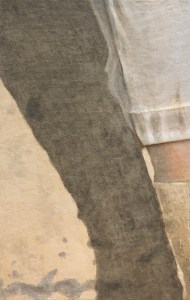
Figure Drawing, November 25, 2019

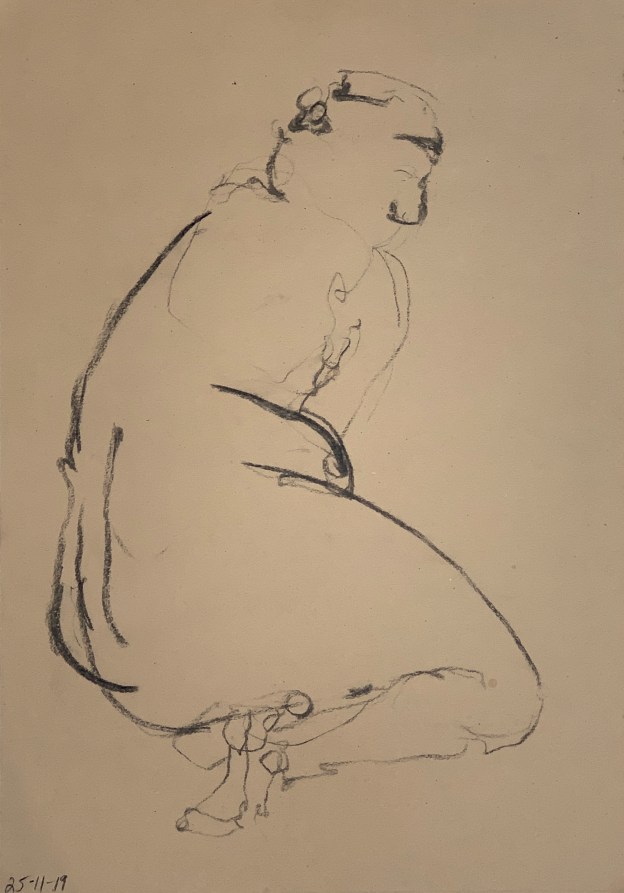
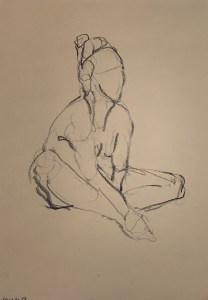
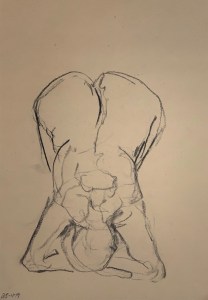
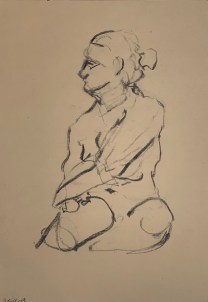
Tonight we had one of our regulars, a large, jolly lady who usually brings her own props with her. Tonight, though, no props, just flesh. But because she is so massive and takes interesting poses – particularly on the shorter ones – I found that the four minute sketches turned out better. So here below are some of the shorter poses, including the spotlighted one displayed above (shown on the wordpress site but not the ezine):

Charcoal on tinted sketching paper, 35 x 50 cm or 13.75 x 19.75 in.

Charcoal on tinted sketching paper, 35 x 50 cm or 13.75 x 19.75 in.

Charcoal on tinted sketching paper, 35 x 50 cm or 13.75 x 19.75 in.

Charcoal on tinted sketching paper, 35 x 50 cm or 13.75 x 19.75 in.

Charcoal on tinted sketching paper, 35 x 50 cm or 13.75 x 19.75 in.

Charcoal on tinted sketching paper, 35 x 50 cm or 13.75 x 19.75 in.

Charcoal on tinted sketching paper, 35 x 50 cm or 13.75 x 19.75 in.

A Piece of Me #26, egg tempera on panel. 21 x 13.3 cm or 5 1/4 x 8 1/4 in.

A Piece of Me #26, egg tempera

A Piece of Me #26, egg tempera on panel. 21 x 13.3 cm or 5 1/4 x 8 1/4 in.

A Piece of Me #26, egg tempera on panel. 21 x 13.3 cm or 5 1/4 x 8 1/4 in.

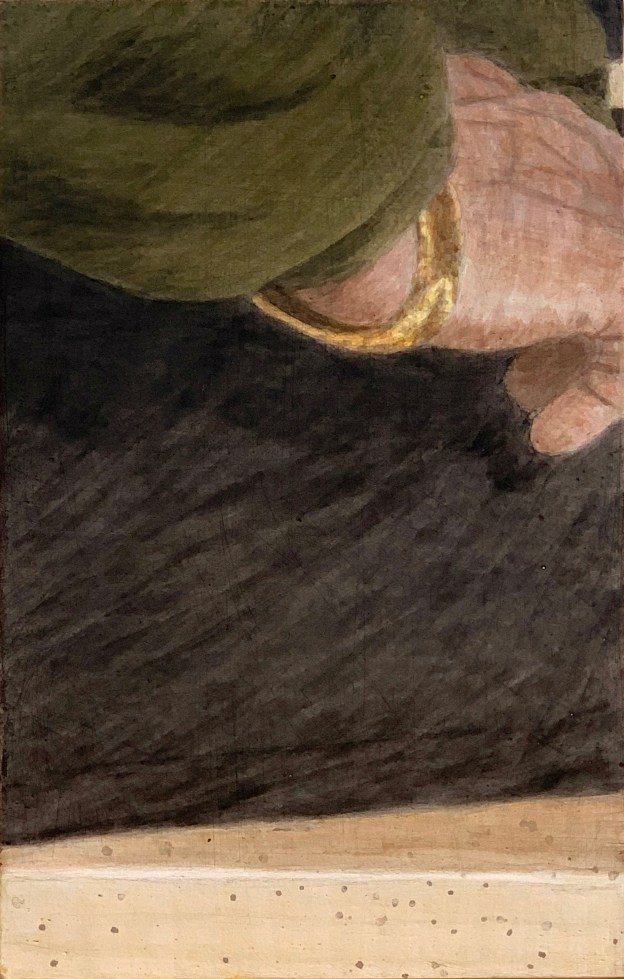
Finally, the last in the egg tempera series. A fore-ground composition full of meaningful, three dimensional human form containing a full range of values: strong contrasts of light and dark. Rendering the flesh tones of the hand and the warm glinting light of the gold bracelet were wonderful challenges. A Renaissance painter would have applied real gold leaf(!) – to the bracelet, that is..

After completing this panel last November I returned to this panel after it cured. I wanted to intensify the saturation of the main shapes of the pants leg and the green sweater with more coats of glaze. I warmed up the hand too. But it’s also important to keep in mind that egg tempera, in contrast to the other media  of this project (that is, oil, encaustic and acrylic) requires a final coat of protective varnish. This varnish will darken all values by about 10%, so I don’t mind leaving these panels a little bit lighter than their companions. Compositionally and chromatically I’m not trying for seamless alignments but at the same time the values should more or less align.

A technical write up here of the lessons learned about egg tempera in this series of panels.

A piece of me #61, egg tempera on panel. 21 x 13.3 cm or 8 1/4 x 5 1/4 in.

A Piece of Me #61, egg tempera

A piece of me #61, underdrawing in india ink

A piece of me #61, underdrawing in india ink

A piece of me #61, egg tempera on panel. 21 x 13.3 cm or 8 1/4 x 5 1/4 in.

A piece of me #61, egg tempera on panel. 21 x 13.3 cm or 8 1/4 x 5 1/4 in.

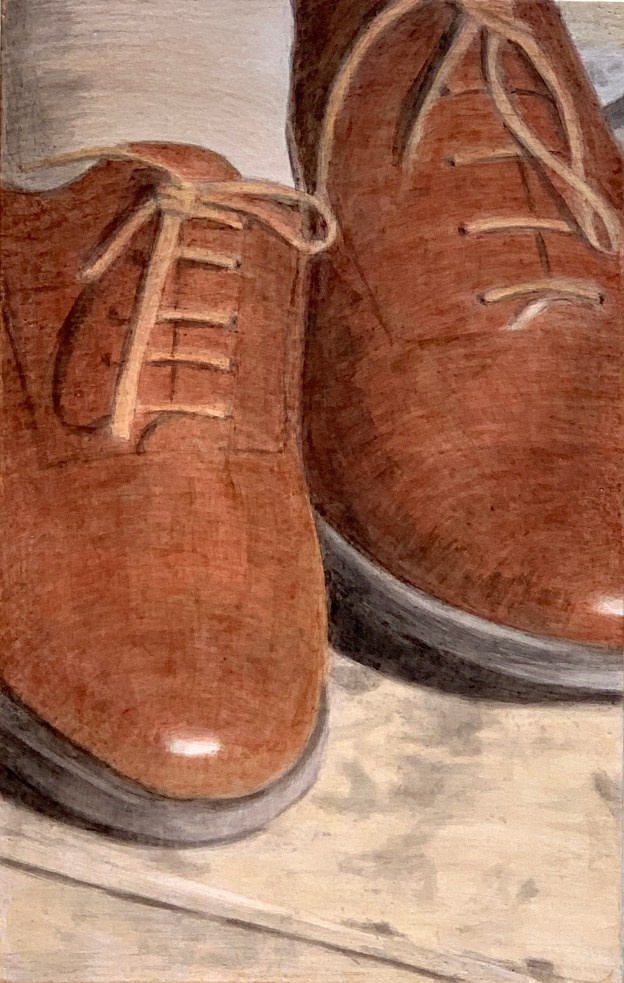
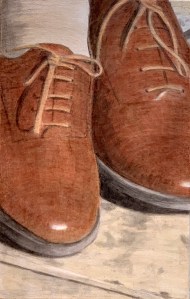
Saturated shoes! I had almost given up on this panel because I was having a difficult time getting a warm saturated tonality. So I had put it aside for awhile to let the previous work cure, hoping the surface would be more receptive after a few days. Today I laid on a couple of washes in venetian red, which is a very warm and saturated pigment, and the shoes began to dance! Literally. Well OK, the inspiration could have been Tina Turner on my iTunes but still, I swear I saw them dance.

The black and white underdrawing on the right, the fully colored developed painting on the left. A full overview description of the whole project is here. A technical write up of the lessons learned about egg tempera in this series of panels here.

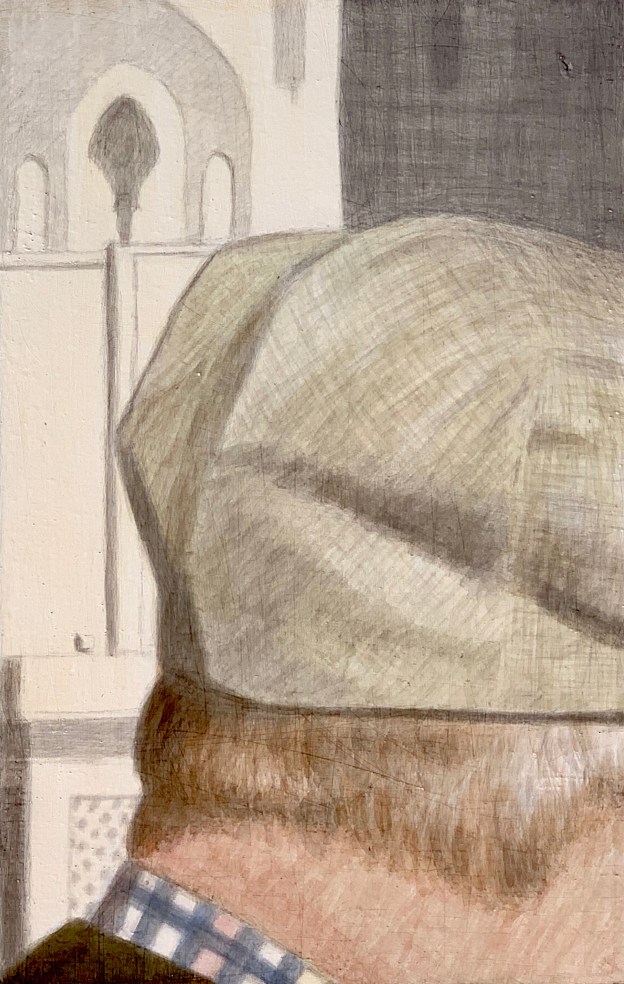
A Piece of Me #1, egg tempera on panel, 21 x 13.3 cm or 8 1/4 x 5 1/4 in.

A Piece of Me #1, egg tempera

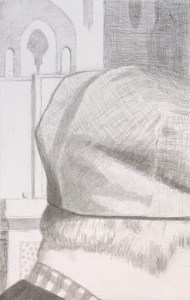
A Piece of Me #1, underdrawing in india ink.

A Piece of Me #1, underdrawing in india ink.

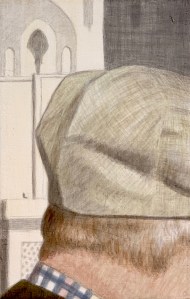
A Piece of Me #1, egg tempera on panel, 21 x 13.3 cm or 8 1/4 x 5 1/4 in.

A Piece of Me #1, egg tempera on panel, 21 x 13.3 cm or 8 1/4 x 5 1/4 in.

A piece of a man’s head with a hat. An evocative untold story? Or no story at all: just this. The weave of the hat was an absolute delight to render, both in the india ink stage on the right as well as the egg tempera on the left. The black and white preliminary drawing then, allowed it to come alive with a light wash of terre verte followed by another light wash of yellow ochre. Fun too, was the supporting neck with its soft fuzzy hairline. The neck, underpainted with terre verte, provided a warm contrast to the cool hat above and the cool shirt/sweater combo below. The perceptive effects of color are always relational. And off in the distance the arabesque details of the Hassan II Mosque in Casablanca beckon.

You can read a description of the full project here. A technical write up of the lessons learned about egg tempera in this series of panels here.

A Piece of Me#36, egg tempera over collage on panel.

A Piece of Me #36, egg tempera

A Piece of Me#36, egg tempera over collage on panel.

A Piece of Me#36, egg tempera over collage on panel. 21 x 13.3 cm or 8 1/4 x 5 1/4 in.

This panel was challenging in three particular ways, first, the flesh tones. Here I decided to follow the Renaissance protocol of underpainting the hand in the upper right corner in terre verte (earth green). It’s a lightly saturated, translucent pigment, so I laid in two coats (over the underdrawing), then proceeded to warm it up through modeling. It took quite a few washes to bring life back from the dead but in the end you get a flesh tone containing many nuances you might otherwise struggle to achieve.

The second challenge was “imposing” the original design over the pre-collaged surface. Of course, the collage was based on the original design, but due to the coarseness of the collage materials, it’s by no means exact. So I had to look carefully at the panel and decide what to emphasize and what to ignore.

Which led me to the third challenge, how to create a three-dimensional modeling of my leg in a way that works for this panel as well as the final image, i.e., where is the thrust? Because in a general sense, an abstract painting is a form depicting either the essence of form or formlessness itself. So, each panel I create can (at least theoretically) be successful as an abstract painting in its own right. But from my experience of this approach, particularly with the human figure as the overall subject matter, the resulting assemblage may be quite interesting (in a tactile sense) while the figure (as a three dimensional form) reads flat. That’s why I’m trying to pay attention to overall formal aspects like that now.

You can read a description of the full project here. A technical write up of the lessons learned about egg tempera in this series of panels here.